I’m Enzo. I spend my days modeling structural mechanics and fluid-structure interactions for aerospace. In the studio, I apply those same first-principles laws of wave interference, acoustic phase, and deep pocket to craft records that hit hard on any sound system.
Most people think a great mix comes from stacking expensive digital plugins on top of each other. But zeros and ones don’t hit eardrums. Pressure waves do. Air molecules oscillating at 40 Hz displace your sternum; high-frequency phase cancellations dissolve your vocal presence before it ever leaves the speaker cone.
An unfiltered look into the intersection of aerospace CAD structural mechanics, acoustic physics, and Bordeaux groove production.
[Scene 1: The Hook] "Most people think a great mix comes from stacking expensive digital plugins on top of each other. The truth is, sound isn't digital. It's physical."
[Scene 2: The Engineering Foundation] "I’m a mechanical design engineer. I spend my days modeling structural mechanics and fluid-structure interactions for aerospace. When I approach audio, I don't guess. I use first-principles physics and numerical modeling to control how sound actually behaves in a physical space. I engineer the frequencies before I ever touch an EQ."
[Scene 3: The Musical Soul] "But pure math doesn't make a record groove. I grew up studying the architects of 70s and 80s soul—the real studio session legends. The pocket of Jeff Porcaro. The production of David Foster. Because I play the drums, the bass, the guitar, and the sax, I know exactly how a live rhythm section is supposed to breathe together."
[Scene 4: The Experience & Collaboration] "That combination of technical precision and musical feel is why the Bordeaux scene trusts my ears. I've collaborated with artists pushing the culture forward—Kylerpaks, Le Crime from Pessac on his 'Lavague' project, Cirfa from Chanteca on 'Tranchée', and Babysolo33."
[Scene 5: The Added Value] "That is my added value at Declilab. I bridge the gap between rigorous, analytical physics and raw musical soul. I don't just 'listen' to your tracks—I analyze the phase, calculate the acoustic masking, and carve out the exact physical space each instrument needs to shine."
[Scene 6: Call to Action] "You don't need more digital band-aids on your music. You need real engineering. Let's get to work."
I don't rely on subjective golden-ear claims. Every decision is grounded in computational structural mechanics, acoustic wave simulation, and calibrated measurement.
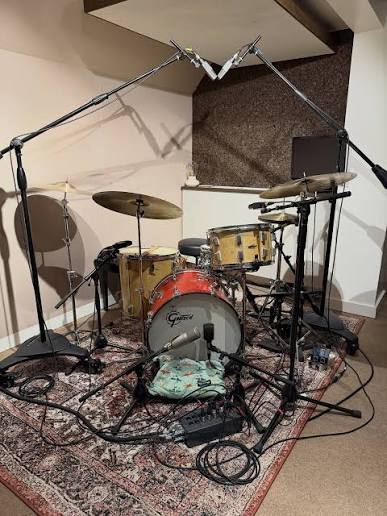
An EQ cannot boost frequencies that destructive phase interference has already canceled out. I align drum multi-mic arrivals and sub fundamentals down to fractions of a millisecond.
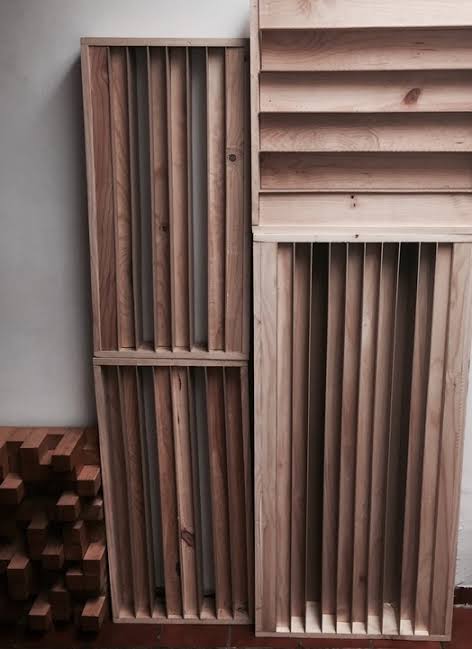
Commercial thin foam absorbs high frequencies and leaves muddy low-mids intact. I calculated, framed, and hand-built custom QRD 7 quadratic-residue diffusers to preserve acoustic air without flutter.
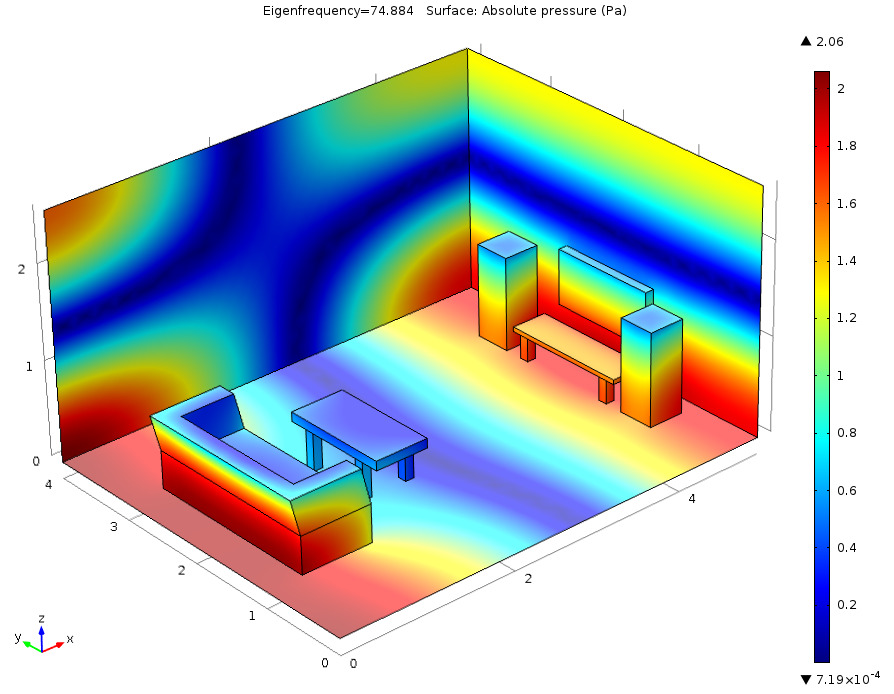
Using COMSOL Multiphysics, I model room eigenmodes (mitigating the 43.18 Hz and 60.43 Hz standing wave nodes). When I monitor a kick drum or 808, I hear the music, not the room boundary.
Before any final master leaves Declilab, stereo field translation is tested through real-world pressure sweeps using measurement mics and calibrated reference speakers.
I grew up studying the architects of 70s and 80s soul—the real studio session legends. The pocket of Jeff Porcaro. The pristine production clarity of David Foster. Because I play the drums, the bass, the electric guitar, and the sax, I know exactly how a live rhythm section is supposed to breathe together.
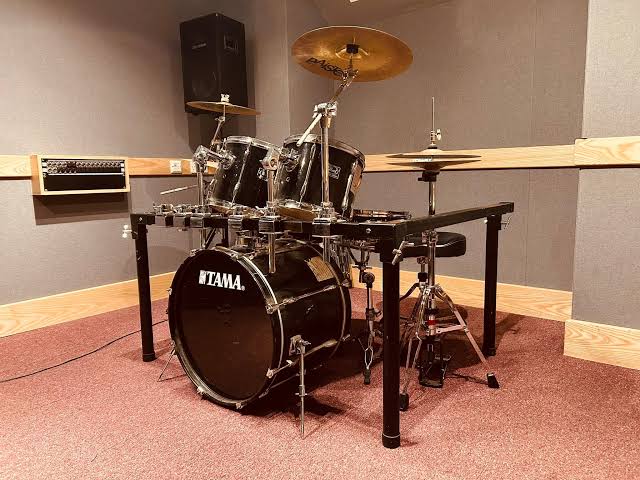
Tracking on my Startone kit teaches micro-timing. I mix drums for dynamic rebound and natural groove, avoiding flat, lifeless sample triggers.
Locking the bass directly into the kick drum’s decay. I dial 40–70 Hz weight with 800 Hz string presence so lines sing on laptop speakers.
Rhythm chank and harmonic chord extensions carved to sit behind lead vocals with width, clarity, and zero midrange harshness.
Wind instruments teach human expression and air dynamics. Lead vocals and solo elements are shaped with natural, breathing contours.
That combination of technical precision and musical feel is why artists pushing the culture forward trust my ears.
[BORDEAUX UNDERGROUND / CLOUD]
Classic 80s R&B and soul meet clinical audio engineering. Analog hardware warmth paired with phase-locked, multi-instrumental rhythm sections—fully performed and mixed in-house.
UTAH • "It's Not You"
High-definition vocal clarity and massive low-end impact sustained across the upcoming full-length project "It's Not You, It's Me". A heavy, textured mix engineered for modern streaming.
MILWAUKEE HIP-HOP • Dubb Saq (Elijah)
Analog warmth paired with ultra-precise dynamic transient control for the Wisconsin storyteller. Phase-locked multitrack alignment for the single "Randy Savage".
NEW YORK DEEP HOUSE
Soulful vocal presence seated perfectly inside a driving four-on-the-floor rhythm. Analog warmth, precise transient control, and deep low-end translation engineered specifically for club sound systems.
Every session inside FL Studio is audited with rigorous engineering discipline before musical aesthetics take over.
Time-aligning multitracks to eliminate comb filtering. Checking polarity and wave arrival times so every transient reinforces the next.
Calculating spectral clashes between kick fundamentals, bass overtones, and lower-mid vocal resonance. Carving physical space without thinning.
Harmonic saturation, parallel drum compression, and lush spatial chambers inspired by David Foster and Quincy Jones analog productions.
Calibrated for Apple Digital Masters, Spotify, and club sound systems. 2 dedicated revision rounds included with zero ego.
Every stem passes through the same meticulous physical and musical pipeline.
Multitrack session mixing.
Final punch and translation.
Raw stems to approved final record.
Labels, agencies & sync projects.
Listen to the difference between unaligned rough files and Declilab’s final phase-calibrated masters. Switch states in real-time.
Aggressive vocal transients sharpened for razor-tight intelligibility over heavy 808s. Kick and sub-bass phase-aligned for physical chest-thump clarity, carving out midrange mud to give the gritty delivery absolute authority.
Vocal proximity effect surgically tamed while preserving raw emotional intimacy. Low-mid masking cleared out to let the isolated lead vocal sit perfectly inside a warm, analog space without harsh sibilance.
Standard turnaround is 3 to 5 business days for a full mix and master once multitracks are validated. Stereo mastering takes 24 to 48 hours. Let me know if you are working against a strict DSP release deadline.
Export dry stems starting from 0:00:00 at 24-bit or 32-bit float (44.1kHz or 48kHz). Turn off master bus limiters and creative reverbs unless they are intrinsic sound-design elements. Label tracks cleanly (e.g., 01_Kick.wav, 02_808.wav, 03_Lead_Vocal_Dry.wav).
Every project includes 2 full revision rounds. Take time to test the mix on your car speakers, AirPods, and studio monitors, then send me a consolidated, timestamped list of notes. I execute those adjustments precisely.
Yes. Since I play drums, bass, guitar, and sax, if your track needs real pocket—such as live bass guitar underneath an 808 or organic saxophone textures—we can include live tracking in your project scope.
Send me a link to your rough mix or demo. I personally review every submission, analyze the phase coherence and headroom, and get back to you within 24 hours with honest acoustic notes and a quote.